
Scale Without Limits
Cloud and DevOps that make Friday deploys boring.
Cloud migration, multi-cloud strategy, hybrid infrastructure and DevOps implementation, so your team ships more often and your systems hold up when traffic spikes.
Follow one change from laptop to production.
A good pipeline turns a release from an event into a routine. Here is what happens to a single commit, and what your team no longer has to do by hand.
A developer pushes a change
Everything starts from version control, including the infrastructure itself, so every change has a history, an author and a way back.
- By hand
- Servers drift and nobody remembers who changed what.
- With a pipeline
- Every change is recorded, reviewed and easy to undo.
From where you run today to where you need to be.
Four parts of the same goal: infrastructure that scales with the business and stops getting in its way.
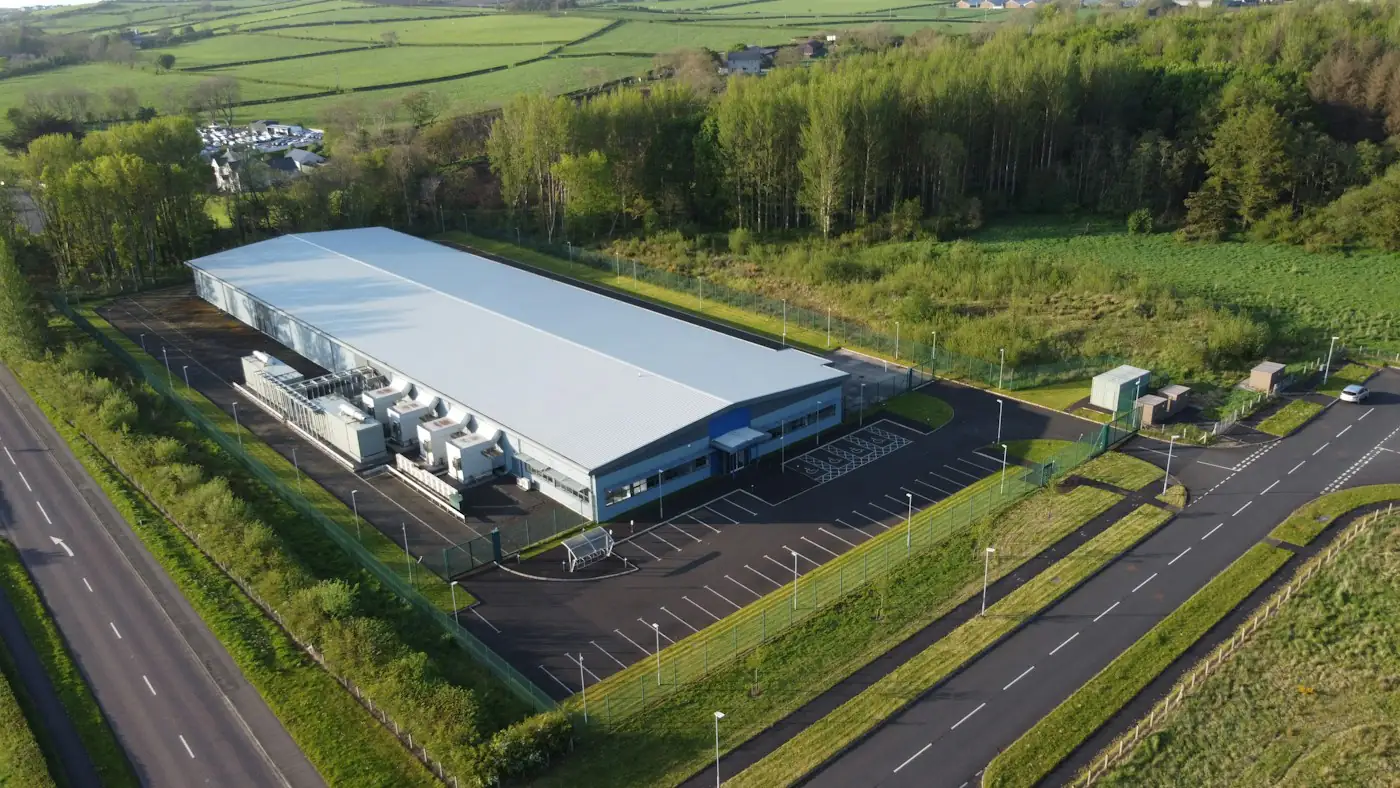
Cloud migration
We work out what should move, what should change on the way and what should be left alone, then move it in stages with a way back at every step.
- Inventory and dependency mapping
- A migration plan by workload, not all at once
- Rollback planned before each cutover

Multi-cloud strategy
Using more than one provider can reduce lock-in and improve resilience, and it also adds real complexity. We help you decide if it is worth it, and design it properly if it is.
- An honest case for or against
- Workload placement by cost, latency and risk
- One way to deploy and monitor across providers

Hybrid infrastructure
Some systems stay on your own servers for good reasons. We connect them securely to the cloud, so the two behave like one environment rather than two separate worlds.
- Secure connections between on-premise and cloud
- Shared identity and access
- Burst into the cloud when demand peaks

DevOps implementation
Tools are the easy part. We set up the pipelines, infrastructure as code and monitoring, and work alongside your team until the new way of shipping is simply how things get done.
- CI/CD pipelines
- Infrastructure as code
- Monitoring and alerting your team actually uses
What is hurting right now?
Pick the closest one. Here is what we would look at first.
Make shipping small and repeatable
- Map how a change reaches production today, including the manual steps.
- Automate the build and tests first, because that is where confidence comes from.
- Add gradual rollouts, so a bad release affects few people and undoes itself.
Find out what you are paying for
- Tag spending by team and service, so the bill can be read.
- Remove what is idle and resize what is oversized.
- Set budgets and alerts, so the next surprise arrives early.
Move in stages, not all at once
- List your applications and what depends on what.
- Move something low-risk first and learn from it.
- Decide workload by workload what to move, rebuild or keep.
Find the first thing that breaks
- Add monitoring, so you can see the real bottleneck.
- Load test until something gives, and fix that first.
- Add autoscaling and caching where the data says they will help.
Questions we get asked
Cloud and DevOps: your questions answered
It depends on your workloads, the skills on your team and what you already run. We start from those rather than from a favourite vendor, and we are happy to tell you if staying where you are is the better call.
Most businesses do not, at least not at first. It makes sense for specific reasons, such as regulatory requirements or avoiding a single point of failure, and it comes with extra running costs.
Not automatically. A straight lift of existing servers can cost more than running them yourself. Savings come from sizing resources properly, scaling with demand and switching off what you do not use.
Often very little, though it depends on the system, and databases are usually the hard part. We plan each cutover individually and tell you honestly what to expect before it happens.
Often more so. Small teams feel manual releases and late-night fixes the most, and a simple pipeline with good monitoring gives time back quickly.
That is the aim. Everything is defined in code and documented, and we work alongside your team during the build so nothing depends on us staying around.
Ready to stop dreading
release day?
Tell us what you run today and what is slowing you down. We will tell you where we would start, whether or not you end up working with us.