Logistics & Supply Chain
Logistics software that gets drivers home on time
Delivery apps, fleet tracking, route planning and warehouse systems. Fewer wasted miles and repeat trips for your team, and fewer “where is my parcel?” calls for your customers.
Work out what failed deliveries cost you
The last few miles
Every failed delivery is a driver's wasted trip and a customer's wasted wait.
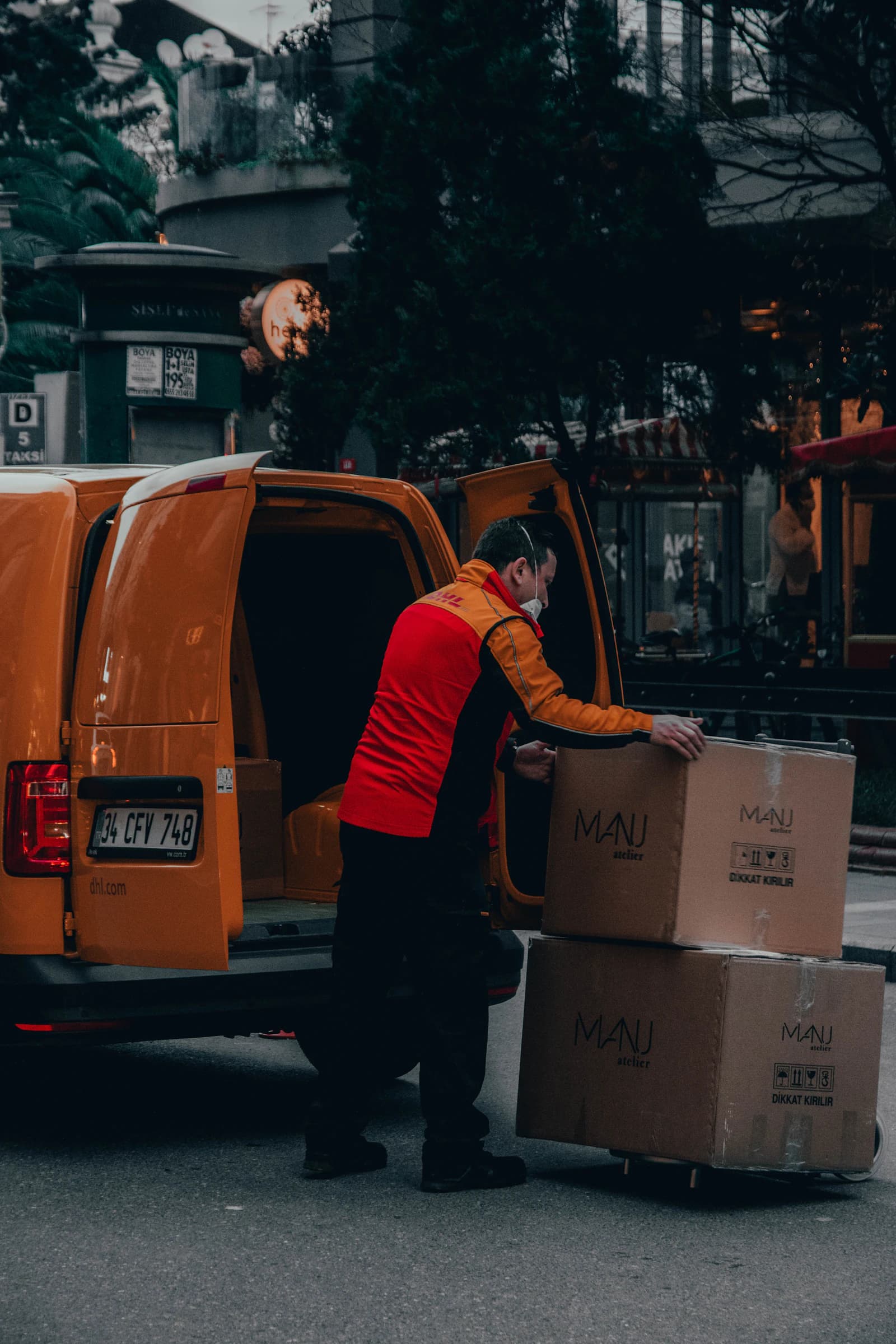
A driver climbs four flights of stairs with a box. Nobody's home, because the customer was told “sometime today” and had to pop out. The note goes through the door, the box goes back on the van, and tomorrow someone pays for the same journey again.
Logistics runs on thin margins and tired people. Most of the savings don't come from a clever algorithm. They come from telling people what is actually happening, in time for them to do something about it.
- 53%of total shipping cost now goes on the last mile, up from 41% in 2018.Cascadia study, via Statista, 2023
- $2.336was the average cost of running a truck per mile in the US, the highest on record.ATRI, via FleetOwner, 2025
- 8.6%was the rise in truck repair and maintenance costs in a single year.ATRI, via FleetOwner, 2025
What we build
Supply chain and logistics software development, from warehouse to doorstep
We connect to the systems you already run, then automate what your dispatchers currently do by phone and spreadsheet.
Driver apps
Job lists, navigation, proof of delivery and offline mode for dead zones, designed for use with gloves on.
Mobile Apps DevelopmentLive tracking for customers
Accurate arrival windows and simple rescheduling links, which cut failed drops and support calls.
Website DevelopmentRoute optimisation
Routes planned around stops, traffic, vehicle capacity and time windows, with dispatchers able to overrule them.
AI DevelopmentWarehouse management
Barcode scanning, pick paths and live stock counts, connected to your orders.
Software DevelopmentFleet and control dashboards
Vehicles, fuel, maintenance and delays in one view, with alerts for exceptions only.
Software DevelopmentForecasting with AI
Predict demand and stock needs from your own history. One client reported 94% inventory prediction accuracy.
AI Development
What logistics software has to cope with
A system that works in the office and fails on the road is no use to anyone. These are the things we design around from the start.
- Offline first
- Drivers and warehouse staff keep working with no signal, and data syncs when it comes back.
- EDI and carrier APIs
- Connections to customers, carriers, customs and ERP systems, including older EDI formats.
- Driver rules and e-documents
- Hours-of-service limits, electronic proof of delivery and local e-way bills or customs paperwork, by market.
- Peak-season load
- Systems tested for your busiest week of the year, not your average Tuesday.
How a logistics project runs
Ride along
We spend time with a dispatcher and a driver, and watch what really happens.
Pick the costliest leak
Failed drops, empty miles or stock errors: we fix whichever costs you the most first.
Pilot one depot
One route or site goes live, and we compare results with the rest of the fleet.
Roll out and connect
Add sites, then link billing, customers and carriers once the basics hold.
Logistics & Supply Chain: common questions
How much does logistics software cost to build?
A driver app with proof of delivery is a much smaller project than a complete transport management system. Tap through the brief on this page and we will reply with an estimate.
Can it work with our existing ERP or TMS?
Yes. We integrate through APIs, EDI or file exchange. If your current TMS does most of the job, we would rather extend it than replace it.
Does the driver app work offline?
Yes. We build for offline use by default, storing jobs and proof of delivery on the phone and syncing once there is signal.
How much can route optimisation save?
It depends on how many stops you run and how you plan today. We usually measure this by piloting one depot against the rest of your fleet, so that the result is your number, not a brochure's.
Can customers track deliveries without an app?
Yes. A tracking link by SMS or WhatsApp is usually better than asking people to install anything, and it can include a reschedule option.
Do you work with small fleets?
Yes. Small fleets often gain quickly from simple tools, and we will recommend a ready-made product if it would serve you better than custom software.